
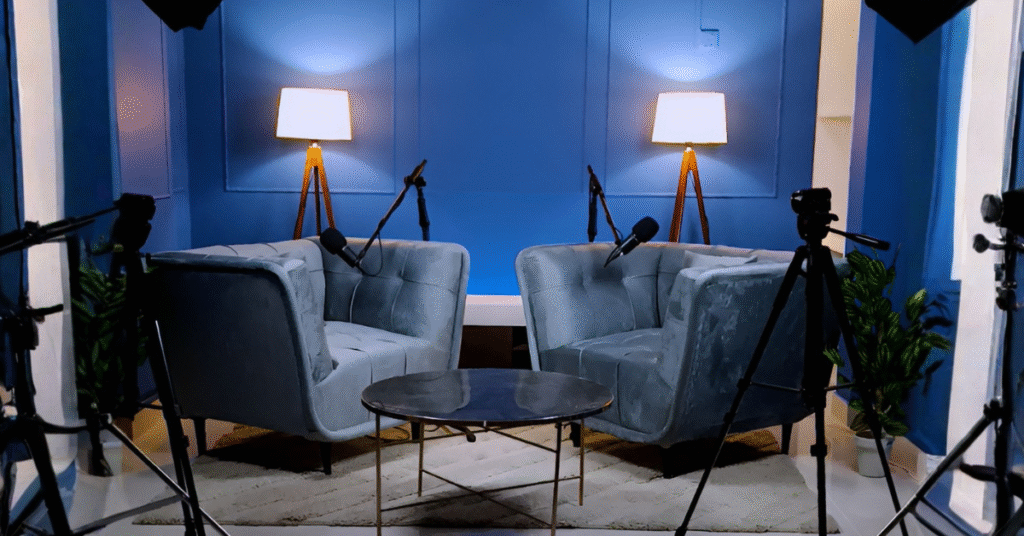
Starting a podcast in Pakistan is easier than ever — but one major decision still stops many creators: Should you choose an audio podcast or a full video podcast?
With the explosive growth of podcasting in Karachi, creators want a format that matches their personality, goals, audience behavior, and content style. This guide breaks everything down simply so you can pick the right format with confidence — backed by local insights, studio experience, and real trends from Pakistan’s fast-growing creator industry.
Audio vs Video Podcasts:
An audio podcast is built entirely on storytelling, conversation, and sound design. A video podcast, on the other hand, uses cameras, lighting, planned visuals, and on-screen energy to build a deeper connection with the viewer.
In Karachi, the trend is shifting dramatically toward video podcasts — especially for creators who want to grow on YouTube, TikTok, and Instagram. But audio still dominates niches like education, self-help, spirituality, tech, and Urdu storytelling.
Understanding the difference helps you build a podcast that aligns with your brand and content goals.
Key Benefits of Each Format
Benefits of Audio Podcasts
- Lower production costs and simpler workflow
- Great for long-form listening (commutes in Karachi, gym sessions, etc.)
- Easier editing and faster turnaround
- Perfect for storytelling, spoken word, and tutorials
- No need for studio lighting or on-camera presence
Benefits of Video Podcasts
- Higher engagement across all major platforms
- Perfect for clips, reels, and YouTube Shorts
- Multi-cam shots add energy and professionalism
- Viewers connect better when they can see expressions
- Brands prefer video for sponsorships and ads
Detailed Breakdown — Which Format Fits Your Show?
1. Type of Content
- Educational / Audio Stories: Audio is enough
- Interviews / Entertainment: Video performs better
- Panel Discussions: Multi-cam video is a must
- Reaction-based or comedy shows: Video wins
- Serious thought-leadership: Either works depending on aesthetic
2. Your Personality
- Camera-shy creators: Audio is easier
- You enjoy visual interaction: Video is ideal
3. Audience Behavior in Pakistan
- Karachi audiences spend more time on YouTube and Reels
- Younger listeners prefer visual podcasts
- Older or niche audiences prefer audio-only
4. Home Setup vs Professional Studio
Home Setup
- Good for beginners
- Limited audio control
- No multi-cam or cinematic lighting
- More editing work later
Professional Studio
- Multi-cam recording for dynamic visuals
- Clean audio with treated acoustics
- Studio lighting for a premium look
- Operator support (switcher, angles, framing, monitoring)
- Better for branded podcasts or guest interviews
If your goal is long-term growth or brand-building, a studio setup is the better choice.
Advanced Tips from Experts
- Use at least two camera angles for interviews to keep attention high
- Avoid sitting too close to walls — it ruins the depth of your frame
- Keep consistent audio levels across both hosts and guests
- Add a branded backdrop or set piece for recognition
- If recording audio-only, maintain a clean noise floor (fans, AC, traffic)
- Always script bullets, not full scripts — it keeps conversations natural
- For video podcasts, plan 10–15 short clip moments per episode
Real Examples from Karachi’s Podcast Scene
Karachi has seen a sharp rise in YouTube-based podcasts over the past two years. Creators now favor:
- Multi-cam conversational setups
- Minimalist warm-tone lighting
- Short-form reels clipped from long episodes
- Video-based storytelling
- Guest-driven formats (artists, founders, influencers)
- Branded office podcasts for corporate storytelling
These trends show that video-first podcasts dominate visibility, but audio remains strong among Urdu storytellers and professionals who cater to niche knowledge-based audiences.
When You Should Use a Professional Studio
Choose a professional podcast studio when:
- You’re doing guest interviews
- You want multi-cam shots
- You need clean, professional audio
- You want a cinematic look and branded backdrop
- You plan to publish clips, reels, and YouTube Shorts
- You’re recording branded or sponsored content
- You need operator support so you can focus on hosting
Pricing & Value
Podcast studio pricing depends on:
- Number of cameras
- Duration of the session
- Lighting complexity
- Audio quality and microphones
- Operator involvement
- Editing requirements
- Set design or backdrop customization
Studios provide strong ROI because:
- You save hours in editing
- Your visuals look professional instantly
- You get multiple formats from one recording
- High-quality production increases trust and engagement
Common Mistakes & How to Avoid Them
- Choosing audio-only when your content needs visuals
- Poor microphones leading to low-quality episodes
- Inconsistent lighting in home setups
- Recording too close to walls or noisy areas
- No structure: episodes feel unplanned
- Not planning viral clip moments
- Ignoring thumbnails and visual branding
Checklist Summary
- Define your content goal
- Identify your target audience
- Decide audio vs video based on personality and niche
- Choose home setup or pro studio
- Plan your episode format
- Prepare a list of short-form clip moments
- Ensure audio and lighting quality
- Keep your backdrop consistent
- Review test recordings before starting
- Optimize for YouTube + Spotify both
FAQs
1. Is a video podcast better for growing an audience in Karachi?
Yes, video podcasts grow faster on YouTube, Reels, and TikTok. Karachi audiences prefer visual content, especially interviews and conversations. Video also helps you create high-performing clips that boost reach.
2. Is audio podcasting still worth it in Pakistan?
Absolutely. Audio podcasts excel in niches like storytelling, education, self-help, and long-form Urdu content. They’re cheaper to produce and great for listeners during commutes or gym workouts.
3. What setup do I need for a video podcast?
You need at least two cameras, a clean backdrop, good lighting, and professional microphones. A studio environment ensures stable quality and reduces editing time.
4. Can beginners start with audio and shift to video later?
Yes. Many Karachi creators start simple with audio-only and switch to video once their show gains momentum. It’s a practical approach if you’re still building confidence.
5. Do I need a professional studio for my first podcast?
Not always — but if your content involves guests, branding, or visuals, a studio gives you a major advantage in quality, professionalism, and viewer engagement.
Conclusion
Choosing between audio and video podcasting depends on your goals, personality, and content style. In Karachi’s fast-growing creator landscape, video often delivers faster growth, but audio remains powerful for niche storytelling and long-form education.
If you want premium production, crisp audio, cinematic lighting, and multi-cam recording, Upstream Studios is the ideal space to bring your vision to life.
Book your next podcast at Upstream Studios — Karachi’s most advanced podcast recording space.
